
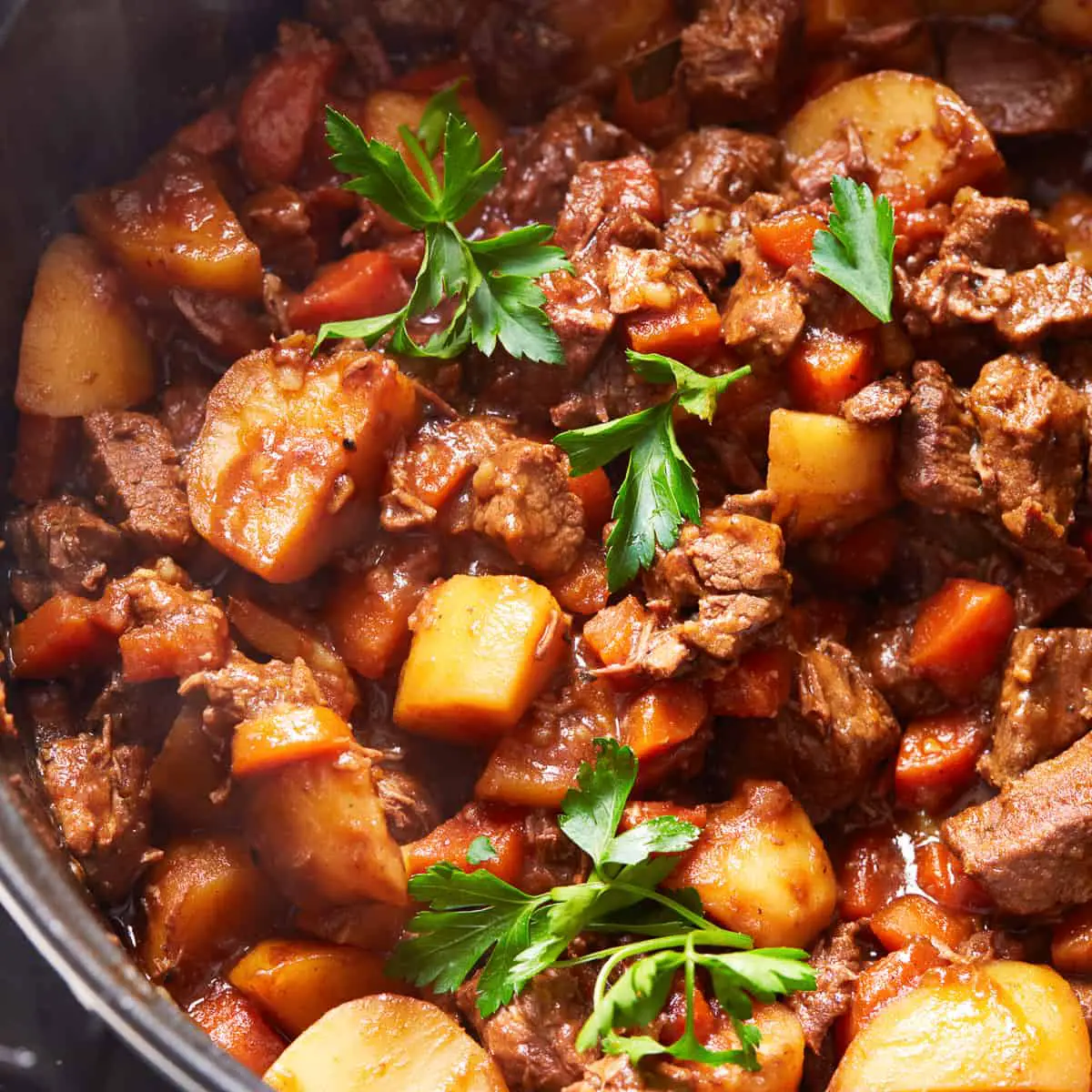

Are you curious about the carbohydrate content in your beef stew with potatoes? As someone who delights in a warm, hearty bowl of comfort food during the chilly winter months, I understand the significance of achieving the right carb balance in my meals.
After extensive research and experimentation, I’ve compiled practical guidelines to help you figure out the ideal carbohydrate intake when enjoying beef stew with potatoes. In this article, we will examine the nutritional profile of a serving size, as well as explore the healthiest ways to indulge in this cherished comfort dish.
By the end, you will be equipped with answers to the question ‘how many carbs are in beef stew with potatoes’ along with insights about the source of these carbohydrates and their relevance for your health. Let’s dive in!
Carbs Present in Beef Stew with Potatoes
Beef stew with potatoes is a delicious and filling dish that offers a substantial amount of carbohydrates. The primary contributor to the carb content in this meal is the potatoes, which provide roughly 25 grams per serving. Additionally, the beef adds a minor amount of dietary fiber, further enhancing your daily carbohydrate intake. Overall, this dish serves as an excellent source of complex carbohydrates and other vital nutrients that support overall wellness.
Nutritional Breakdown of Beef Stew with Potatoes
Comforting Cuisine with Nutritional Benefits
Beef stew is one of those meals that instantly brings a sense of comfort and warmth. However, it’s not merely the delightful taste of this traditional dish that makes it noteworthy—beef stew can also be a surprisingly nutritious option. By considering its nutritional profile, you can enjoy this hearty meal without compromising your health. The typical ingredients include potatoes, carrots, and chunks of tender beef simmered in a flavorful broth. Potatoes are among the most nutrient-dense vegetables, providing an abundance of vitamins and minerals such as:
-
Vitamin C
-
Potassium
-
Folate
These essential nutrients play a vital role in supporting bodily functions and enhancing the immune system. Carrots, known for being rich in Vitamin A—an important antioxidant for skin health, also provide dietary fiber, helping you feel satisfied for longer.
The beef in a classic beef stew typically comes from lean cuts like chuck roast or sirloin, trimmed before cooking, although richer options like brisket can add depth of flavor. When prepared properly, these lean meats deliver essential proteins and iron critical for growth and development throughout various life stages.
It’s no surprise that this all-in-one dish has gained popularity over the years! Overall, whether following traditional recipes or modern adaptations, beef stew offers a nutrient-packed comfort food choice, ideal for busy weeknights or cozy Sunday dinners.
With quality proteins complemented by complex carbohydrates from both potatoes and carrots, every bite is a boon of vitamins and minerals crucial for optimal health and wellness. It’s a fantastic option for your next hunger pang!
Analyzing the Carbohydrate Breakdown of Key Ingredients in Beef Stew
Carbohydrates from Core Ingredients
Classic beef stew features beef, potatoes, carrots, and onions. Each of these components contributes different amounts of carbohydrates. Beef, being a protein-rich meat, contains no carbohydrates and, therefore, does not influence the overall carb count in your stew.
Potatoes are starchy vegetables high in carbohydrates, with an average-sized potato containing around 15 grams of carbs. Consequently, if a stew includes two or three potatoes, that can add up to an additional 30-45 grams of carbohydrates per serving. Carrots are lower in carbs, providing about 5-6 grams per serving, depending on their size, while onions contribute a minimal 3-4 net carbs for a medium-sized onion.
Additional Sources of Carbohydrates
Traditional beef stew recipes typically incorporate some liquid—like water, broth, or even beer—to enhance flavor and create a savory sauce. Depending on your choice of liquid, this may also add carbohydrates to your dish.
Generally, stock or broth contains minimal carbs, while beer can vary from moderate (5-10g) to higher levels (15+g). You may also opt to add extra vegetables like celery or mushrooms, both of which have approximately 3-4 net carbs per serving, making only a slight impact on the total carb content.
-
Broth/Stock – 0 g
-
Beer – 5-15 g
-
Celery – 2 g
Additionally, adding grains like barley into your beef stew can greatly increase the carbohydrate content—one cup cooked contains about 35g.
Strategies for Balancing Carbohydrate Intake in Comfort Foods like Beef Stew with Potatoes
While comfort foods can make for excellent quick meals or snacks, excessive consumption might lead to dietary imbalances. An overabundance of carbohydrates, particularly from ingredients like potatoes and flour, can result in weight gain and other health complications. Here are some strategies to balance your carb intake when indulging in comforting dishes:
-
Practice Portion Control: This is crucial for avoiding unintentional overconsumption of carbohydrates. When enjoying comfort food like beef stew with potatoes, take a moment to measure your portion rather than guessing. This practice will help you avoid excess calories and prevent overeating.
-
Consider healthier ingredient alternatives to keep your carb intake balanced while still enjoying comfort foods. For instance, if a recipe calls for all-purpose flour in your beef stew, try swapping it for whole wheat flour, which has more fiber and a lower glycemic index (resulting in less sugar spikes). Furthermore, exploring poultry or vegetarian protein sources like chickpeas instead of red meat can significantly cut down on carbohydrates, as beans typically possess fewer carbs compared to meat options.
-
Avoid overindulging in processed carbohydrates such as instant mashed potatoes or processed breads/crackers. While these items can be tasty, they often provide limited nutritional value beyond being quick sources of simple sugars, which could lead to weight gain if frequently consumed alongside other meals containing high carbohydrate portions. Moderation is key—small amounts on occasion won’t be detrimental.